About Jen

Explore the lived experience, clinical insight, and creative work behind The Lived Kaleidoscope.
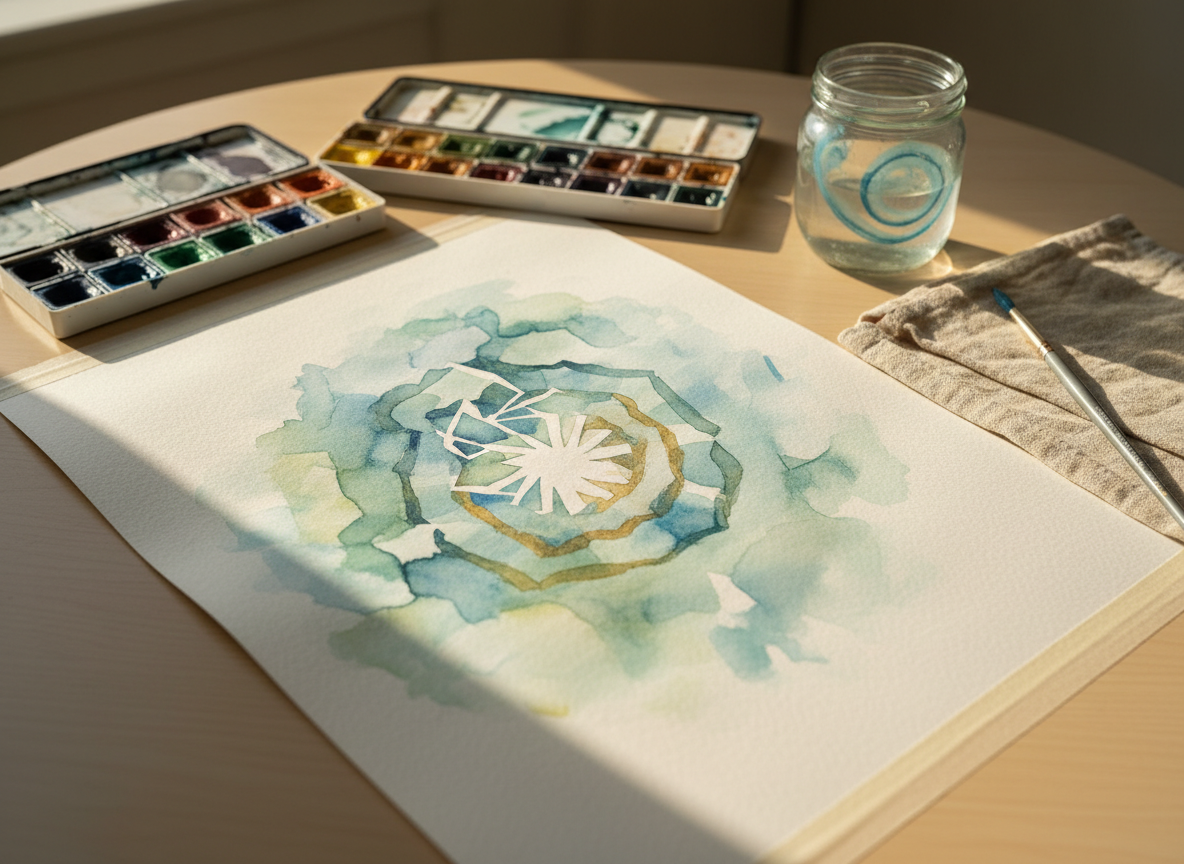
A close-up photographic scene of a watercolor trauma recovery artwork in progress on a large, slightly wrinkled sheet of cold-pressed paper taped to a light wooden table. Gentle, abstract shapes in soft blues, greens, and muted golds blend together, with a central broken geometric form gradually transforming into a subtle kaleidoscope pattern. Around the paper lie open watercolor pans, a water jar with faint pigment swirls, and two fine brushes resting on a linen cloth. Warm afternoon light from a nearby window creates delicate highlights on the wet paint and soft shadows along the paper’s edges. Shot from a slightly angled top-down perspective with shallow depth of field, the atmosphere is reflective, hopeful, and creatively therapeutic.
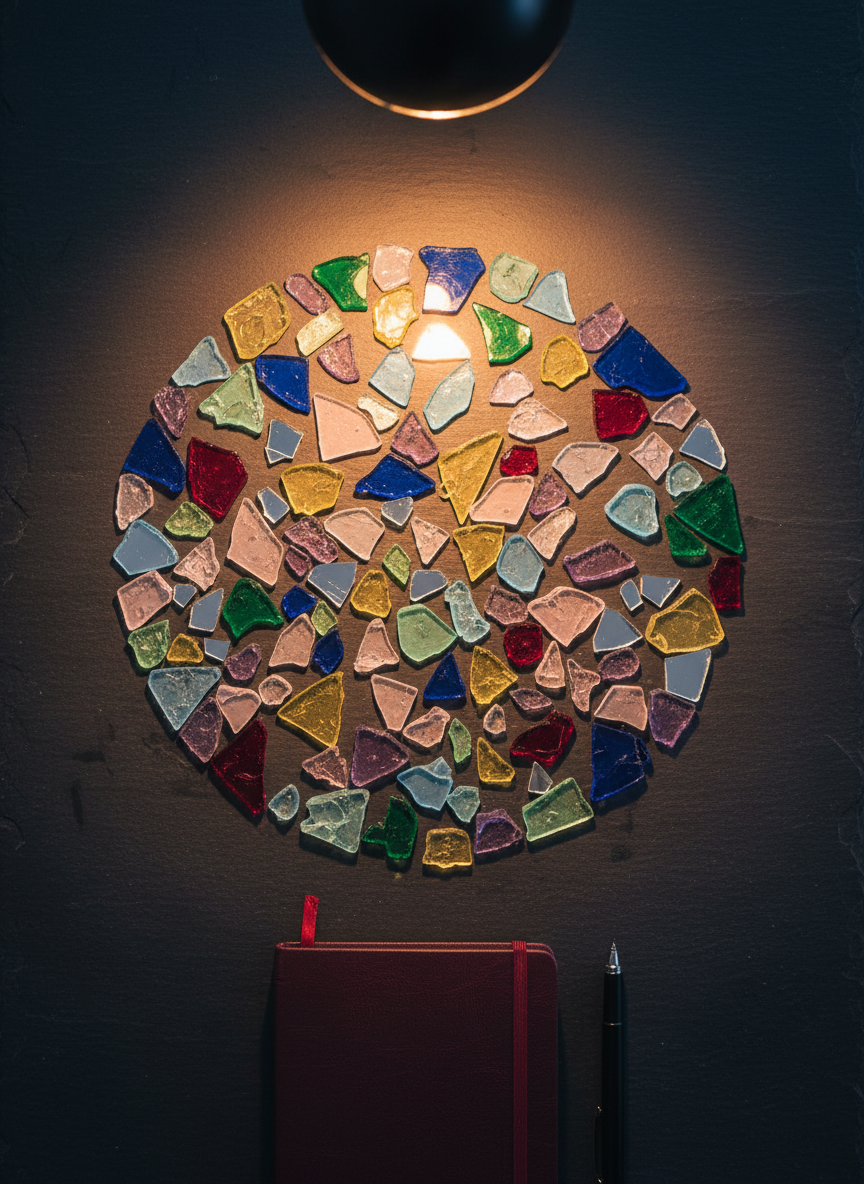
A symbolic “kaleidoscope of lived experience” is depicted through meticulously arranged translucent colored glass fragments and small mirrors laid out in a circular pattern on a dark slate surface. The pieces range from soft pastels to deep jewel tones, some slightly chipped yet glowing where they catch the light. A simple, closed notebook with a bookmark ribbon touches one edge of the circle, while a fine-tipped pen rests nearby. A single overhead pendant light casts focused, warm illumination, causing intricate reflections and refractions on the slate and glass, with the surroundings fading into gentle shadow. Photographic realism, shot from directly above, creating a contemplative, professional atmosphere that suggests complexity, resilience, and transformation in trauma recovery.

From Trauma To Tender Strength

The Lived Kaleidoscope began with my own journey through complex trauma, breakdown, and slow, messy recovery. Drawing on my nursing, charity leadership, and lived experience, I now share practical tools, language, and hope for more compassionate mental health support.

Reviews
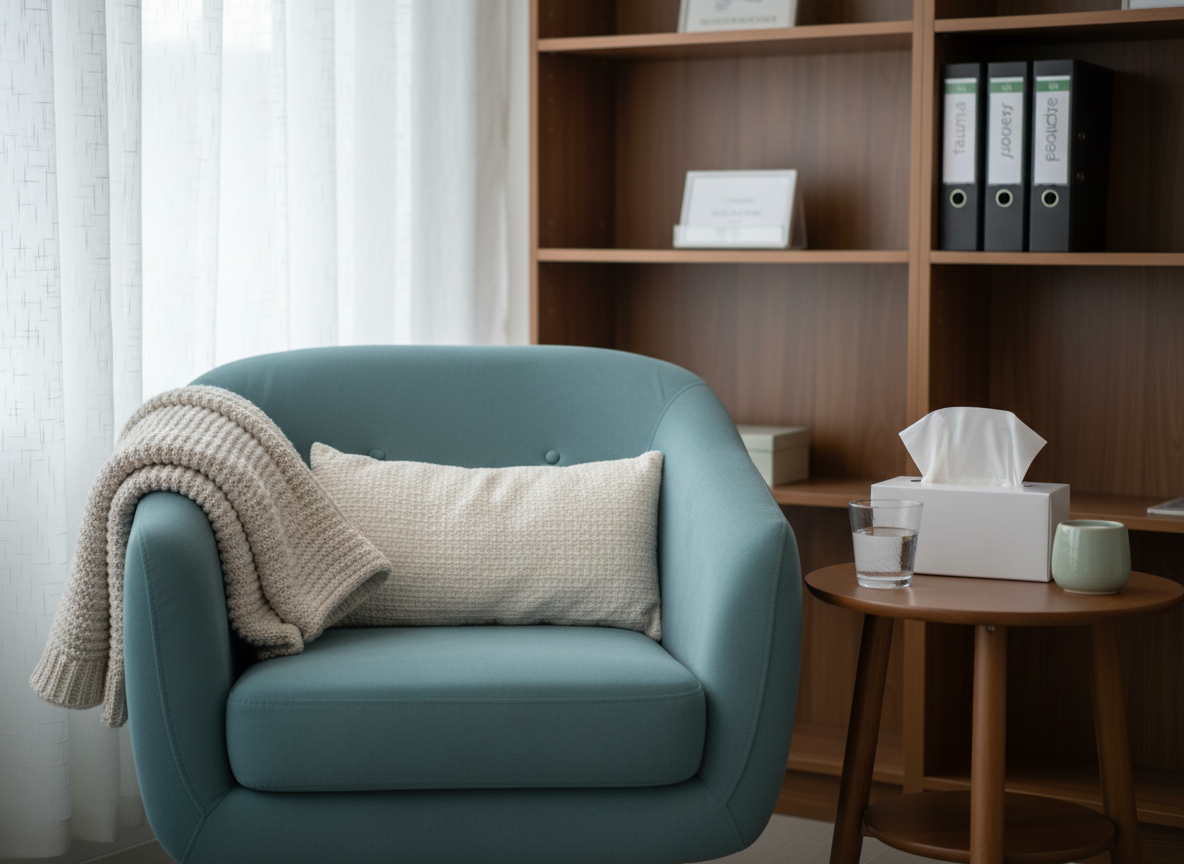
A serene therapy-inspired corner is captured in photographic realism: a plush teal armchair empty of occupants, with a knitted neutral-toned blanket folded over one arm and a small cushion resting at the back. Beside it, a round wooden side table holds a box of neatly arranged tissues, a glass of water, and a small ceramic candle holder unlit for safety. The background reveals softly blurred bookshelves with folders labeled “trauma,” “recovery,” and “creative practice.” Soft overcast daylight filters through sheer curtains, creating even, soothing illumination with minimal shadows. Framed using the rule of thirds at eye level, the scene feels safe, professional, and warmly inviting, evoking compassionate mental health support without showing any people.

Aya Nakamura

Jen’s honesty about trauma and recovery helped our team replace fear with understanding; it has transformed how we support people in crisis.

A close-up photographic scene of a watercolor trauma recovery artwork in progress on a large, slightly wrinkled sheet of cold-pressed paper taped to a light wooden table. Gentle, abstract shapes in soft blues, greens, and muted golds blend together, with a central broken geometric form gradually transforming into a subtle kaleidoscope pattern. Around the paper lie open watercolor pans, a water jar with faint pigment swirls, and two fine brushes resting on a linen cloth. Warm afternoon light from a nearby window creates delicate highlights on the wet paint and soft shadows along the paper’s edges. Shot from a slightly angled top-down perspective with shallow depth of field, the atmosphere is reflective, hopeful, and creatively therapeutic.

Mateo García

Attending Jen’s workshop gave me language for my own experiences and, for the first time, a hopeful sense that healing is possible.

Is this your new site? Log in to activate admin features and dismiss this message
Log In